
Safety alert: NRTL-approved fire detection systems

Safety alert: NRTL-approved fire detection systems

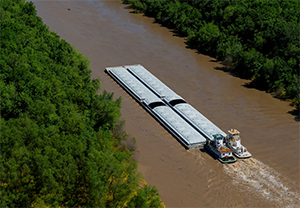
(WASHINGTON) — Under Title 46 Code of Federal Regulations (CFR) Part 142.330 in Subchapter M, inspected towing vessels have the option of having a Coast Guard type-approved fire detection system, or they can choose a fire detection system listed by a nationally recognized testing laboratory (NRTL), provided the installation is certified to meet the requirements of 46 CFR§ 142.330(a)(1) through…
Read More
DNV: Aging fleet drives surge in casualty incidents

DNV: Aging fleet drives surge in casualty incidents

(HOVIK, Norway) — According to DNV’s latest report, "Maritime Safety Trends 2014-2024 – Preparing for Future Risks," the number of maritime safety incidents increased by 42 percent between 2018 and 2024, while during the same period the global fleet grew by just 10 percent. Driven mainly by an aging fleet and machine damage/failure, the findings highlight the risks connected with…
Read More
NTSB analyzes 34 casualties in new safety digest

NTSB analyzes 34 casualties in new safety digest

(WASHINGTON) — The National Transportation Safety Board (NTSB) has released Safer Seas Digest 2024, which details the most important lessons learned from maritime investigations completed last year. Safer Seas Digest 2024 details the facts and analyzes the probable causes of 34 maritime casualties, including capsizings, collisions, contacts, fires, floodings, groundings and machinery damage. Among the events included in the report…
Read More
Safety alert: Combustible insulation panels on passenger vessels

Safety alert: Combustible insulation panels on passenger vessels

(WASHINGTON) — U.S. Coast Guard marine inspectors discovered a serious structural fire protection deficiency while conducting an inspection of a certificated small passenger vessel (SPV) that had been converted from recreational service. This led to the discovery of similar deficiencies on other SPVs around the United States and a multi-year project that brought 46 certificated vessels into compliance with the…
Read More
Safety alert: Donning of Viking PS2006 immersion suits

Safety alert: Donning of Viking PS2006 immersion suits

(WASHINGTON) — The U.S. Coast Guard was recently notified of several vessels whose mariners were unable to properly don their Viking PS2006 immersion suits. This issue was encountered across crewmembers of various sizes, all sizes of the PS2006 immersion suit (small, universal and jumbo), and multiple manufacturing lots. Therefore, manufacturing date and/or body type alone should not be used to…
Read More
Safety alert: Know the explosion hazards of coal

Safety alert: Know the explosion hazards of coal

(WASHINGTON) — A recent explosion on a foreign-flagged bulk carrier highlighted critical safety concerns associated with the shipment of coal. On Nov. 27, approximately 100 nautical miles off the coast of Virginia, a bulk carrier shipping a type of coal called “Bailey high vol coking coal” experienced consecutive explosions in the two forward cargo holds. While still under investigation, the…
Read More
Safety alert: LNG hot work, lockout/tagout procedures

Safety alert: LNG hot work, lockout/tagout procedures

(WASHINGTON) — A recent marine casualty, resulting in a fire and severe injuries to two crewmembers, highlights the risks associated with liquefied natural gas (LNG), performing hot work in hazardous zones, and the necessity of maintaining a robust lockout/tagout program. The U.S. Coast Guard's investigation revealed that two crewmembers were conducting hot work in a known hazardous zone on the…
Read More
Safety alert: Awareness and marking of onboard hazardous zones

Safety alert: Awareness and marking of onboard hazardous zones

(WASHINGTON) — A recent marine incident involving a tri-fueled vessel (liquefied natural gas, diesel, battery) that resulted in a fire and severe injuries to crewmembers highlights the dangers of working in hazardous zones. Despite being aware of nearby crankcase and LNG purge vents in their work area, the crew did not know that the vessel was actively using methane as…
Read More
Lessons learned: Coast Guard publishes new findings of concern

Lessons learned: Coast Guard publishes new findings of concern

(WASHINGTON) — The U.S. Coast Guard publishes "findings of concern" to alert stakeholders about safety risks discovered during incident investigations. These findings do not require action but rather are intended to encourage voluntary safety measures or adherence to existing regulations. Unlike urgent safety alerts that require immediate industry attention, findings of concern serve as lessons that should be applied in…
Read More