

(WASHINGTON) — The Waterways Council Inc. (WCI) has released a white paper prepared by HDR titled “Inland Navigation Construction Organization: A New Programmatic Approach for Delivering Major Projects.” The paper outlines the necessity for creating a new integrated and programmatic inland navigation construction organization (INCO) within the U.S. Army Corps of Engineers to drive accountability and execute multiple inland waterways mega-projects from inception to completion more efficiently, with an inland program manager serving as the hub and conduit for information sharing.
The white paper is a followup to the “Recommendations for Improving the Delivery of Inland Waterway Capital Projects” report prepared by HDR in September 2025 for WCI. It examined how the Corps can address project delays and cost overruns, which have plagued the inland navigation construction program.
WCI is urging the designation of INCO at Corps’ headquarters to create a central hub for inland navigation mega-projects. Modernization of inland waterways lock and dam infrastructure over the past 28 years (1997-2025) has resulted in the completion of only three projects, significant cost overruns, and schedule slippages, whereas between 1987-1997, seven inland construction projects were finished, with an average cost overrun of 33 percent.
The challenges do not lie with any one component of a project’s complex life cycle, but rather breakdowns and disconnects among and within design, construction and decision-making. Because the system spans numerous states and various Corps districts and divisions, new emphasis should be put on the system as a whole.
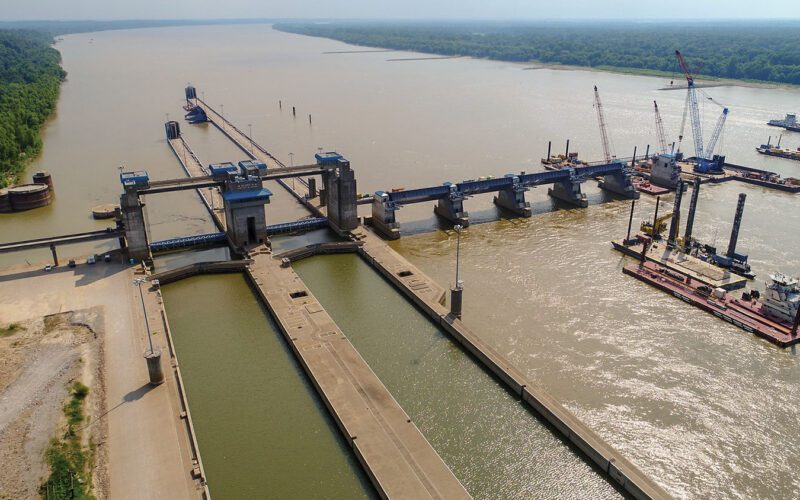
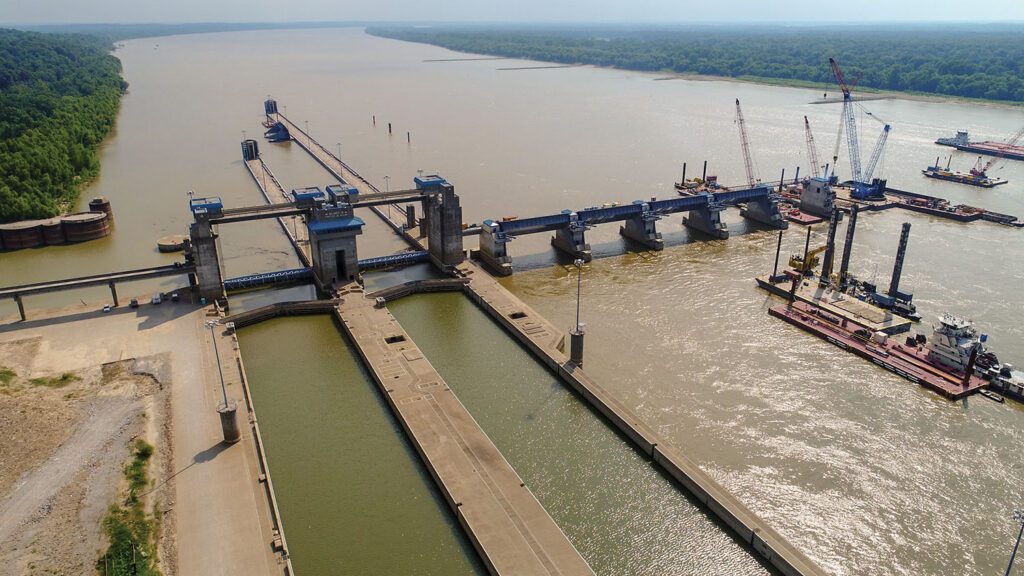
Providing a single point person who can access timely, accurate and consistent information on the program for the Corps, industry, the Inland Waterways Users Board, and Congress is imperative for success. This framework will also provide the visibility and appropriate oversight needed to prevent or address significant execution challenges seen at Olmsted Locks and Dam and the Kentucky Lock, both legacy projects that escalated in cost and took decades to complete.
Similar to the role of the Corps’ Dam Safety Program for managing the extensive portfolio of dams, the INCO would function as the key strategic integrator and collaborator, working with various tiers of Corps’ leadership whose mission is to modernize and improve the efficient delivery of inland navigation mega projects. The INCO would have the following functional framework:
• Area of responsibility: Mega- and major rehabilitation construction projects, with a coordination-only role for the operations and maintenance (O&M) program.
• Program-level leadership: Serve as the unifying voice for the Corps’ inland navigation mission, authorized to make programwide decisions and recommendations for funding prioritization to Corps’ headquarters.
• Project delivery: Provide in-progress reviews and oversight of scope, schedule, and budget for design and construction of individual projects in collaboration with the Corps’ Inland Navigation Design Center (INDC) director.
“WCI recommends the creation of INCO to provide more depth and clarity within the Corps of Engineers and to drive greater accountability, foster enhanced communication across Corps’ entities, and provide strategic oversight of planning and executing the Nation’s critically important inland navigation program,” said WCI President/CEO Tracy Zea.
– Waterways Council Inc.
