


(WASHINGTON) — Heavy weather and an improperly secured cargo of lithium-ion battery energy storage system (BESS) units led to two fires aboard the 410-foot cargo vessel Genius Star XI as it was transiting the North Pacific Ocean on Christmas Day 2023, causing $3.8 million in damage, the National Transportation Safety Board (NTSB) said Thursday.
Investigators determined that improperly secured lashing belts failed, allowing 41 lithium-ion BESS units to shift in the cargo holds, leading to internal structural deformation. This damage caused batteries in three of the units to enter thermal runaway, when a lithium-ion cell enters an uncontrollable, self-heating state that can exceed 572 degrees Fahrenheit, causing the two fires within the holds.
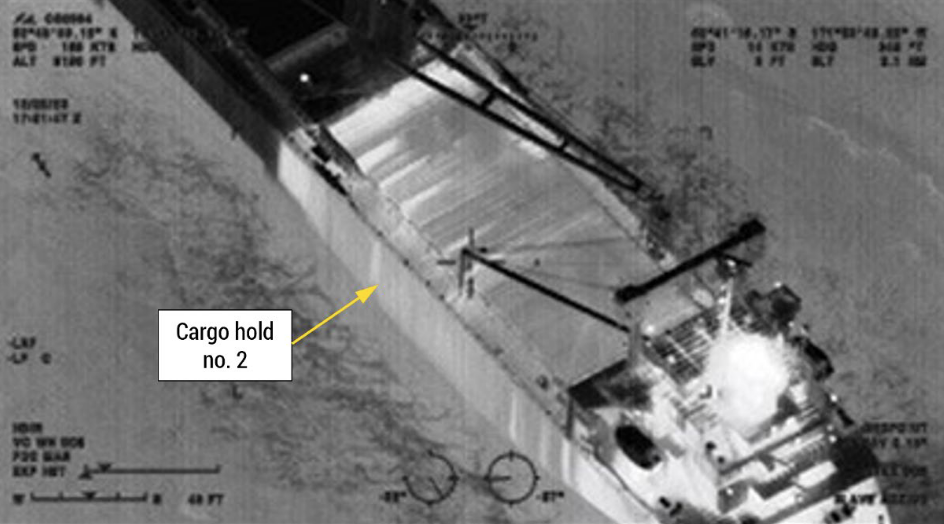
After the first fire, the crew activated the vessel’s fixed carbon dioxide fire-extinguishing system and diverted to the nearest port, Dutch Harbor, Alaska, for assistance. The fire was extinguished. While en route to Dutch Harbor, a second fire occurred in another cargo hold on Dec. 28. The crew cooled the affected area externally with fire hoses. The fire was confirmed extinguished when Genius Star XI arrived at Dutch Harbor on Dec. 29. No injuries or pollution were reported.
The vessel had encountered gale-force northwest winds of about 26 knots, with gusts above 30 knots and combined seas and swells reaching 19 feet. These conditions caused significant vessel rolling and seawater to wash over cargo hatches.
NTSB investigators emphasized the importance of ensuring that cargo aboard marine vessels – particularly large stationary lithium-ion BESS units – is properly secured.
Crews should:
• Follow the vessel’s cargo securing manual and approved lashing plan.
• Thoroughly inspect all cargo-securing arrangements during and after loading.
• Pay close attention to lashing belt hooks, wires, and chain falls to verify they are properly seated on D-rings and attachment points.
Proper inspection and verification are critical to preventing cargo movement, structural damage to battery units, and potential thermal runaway events during heavy weather.
Click here to read the complete report.
– National Transportation Safety Board
