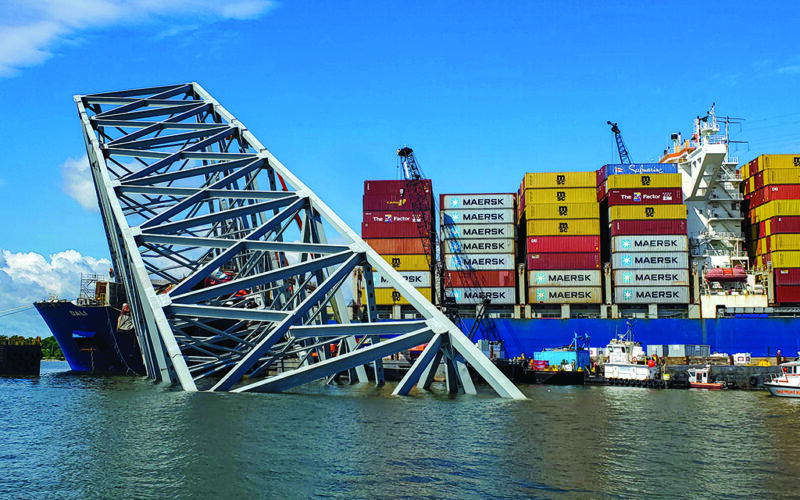
Federal prosecutors brought criminal charges in early May against two companies and an employee connected to the 2024 collapse of Baltimore’s Francis Scott Key Bridge. The 984-foot containership Dali lost power before striking the bridge on March 26, 2024, causing a collapse that killed six construction workers, shut down a major East Coast shipping corridor and caused billions of dollars…
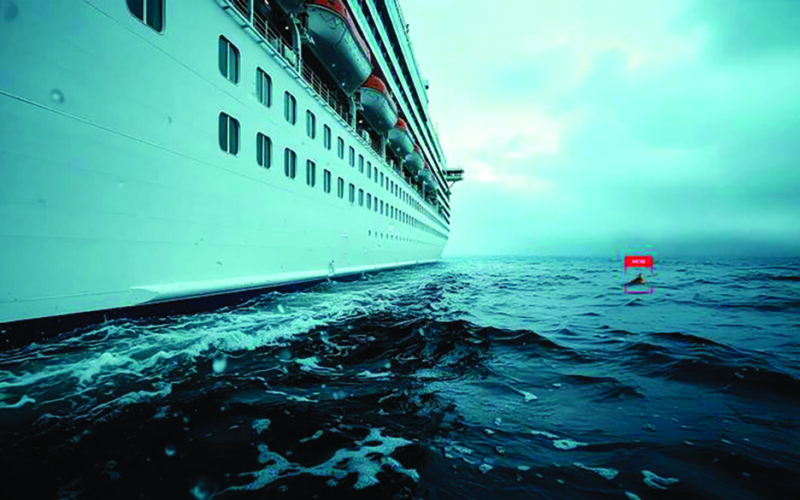
Artificial intelligence continues to expand across the maritime industry, with operators deploying AI-enabled monitoring systems for navigation, whale-strike avoidance and man-overboard detection. Using combinations of thermal imaging, optical cameras, radar and machine-learning software, a growing number of systems are being designed to identify people and hazards in the water, complementing traditional human watchstanding. BC Ferries is among the latest adopters.…
A Gulf Coast shipyard has delivered the first vessel in a new multi-vessel ship-assist series for a maritime leasing company, following industry trends of standardized designs and repeat-build programs. In May, Alabama-based Master Boat Builders delivered Marauder, the first tugboat in an eight-vessel construction program for Maritime Partners. The 88-by-43-by-16-foot Marauder is a Robert Allan Ltd. RApport 2700-MP ship-assist and escort tug.…
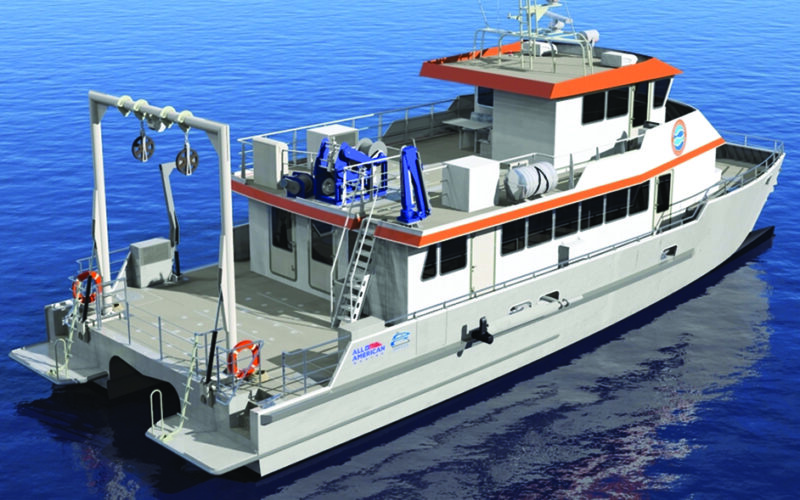
Universities and marine research institutions continue to modernize aging fleets with faster and more fuel-efficient vessels capable of supporting increasingly specialized offshore science missions. Designed to balance speed, stability and flexibility, a new generation of aluminum catamarans is emerging as a popular platform for research programs operating in coastal and offshore waters. All American Marine is among the builders driving…
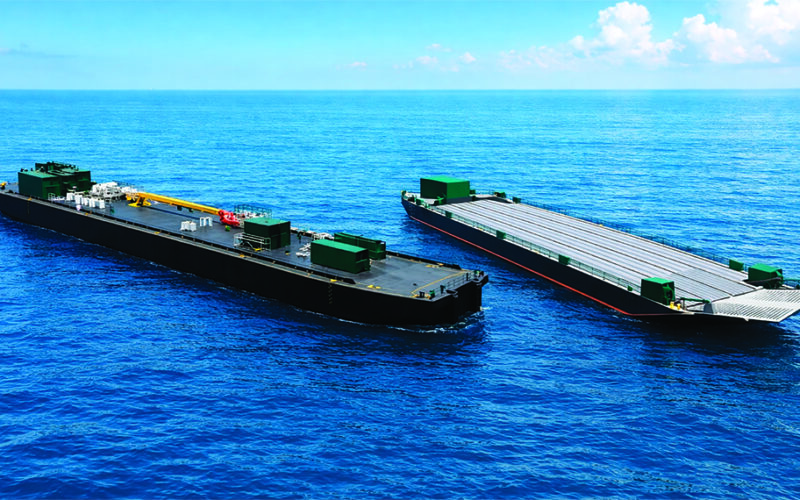
A Pacific Northwest shipyard recently flexed its operational and logistical capabilities with the first simultaneous two-vessel launch in its history, sending two newly constructed barges into the Willamette River in the spring. In April, Gunderson Marine & Iron launched Mt. Rainier and Cordova Provider II from its Portland, Oreg., waterfront facility. Mt. Rainier was designed for refined-products service with Columbia…
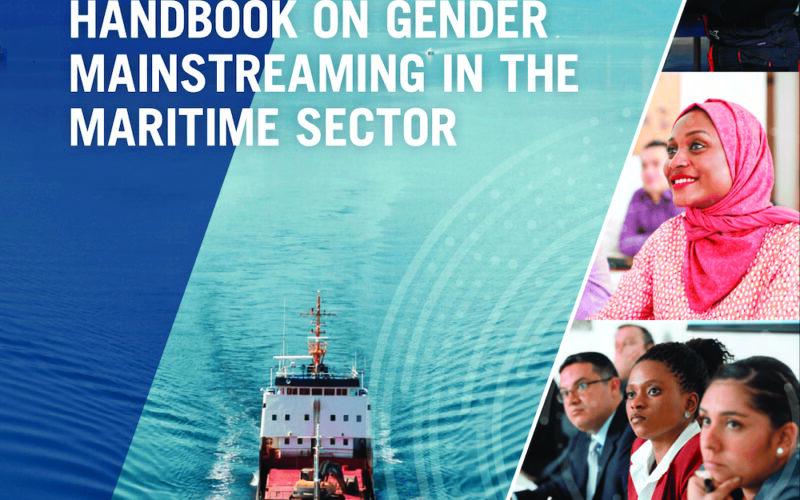
Seeking to frame gender equity as a workforce and operational issue rather than a symbolic initiative, the International Maritime Organization released “Handbook on Gender Mainstreaming in the Maritime Sector” in May. The publication is intended to move the conversation beyond broad diversity goals and toward practical policy changes across the maritime industry. The handbook provides practical guidance for maritime administrations,…
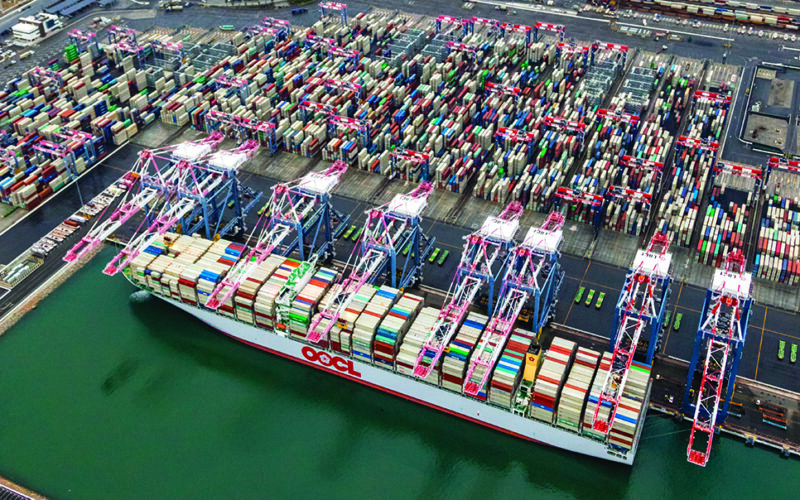
As U.S. ports increasingly compete to build infrastructure supporting alternative marine fuels, one of the nation’s busiest gateways is attempting to jump-start methanol bunkering on the West Coast. In late May, the Port of Long Beach approved a $1 million “Clean Fuel Bunkering Challenge” award for the first oceangoing vessel to complete a commercial-scale methanol bunkering operation at the port,…
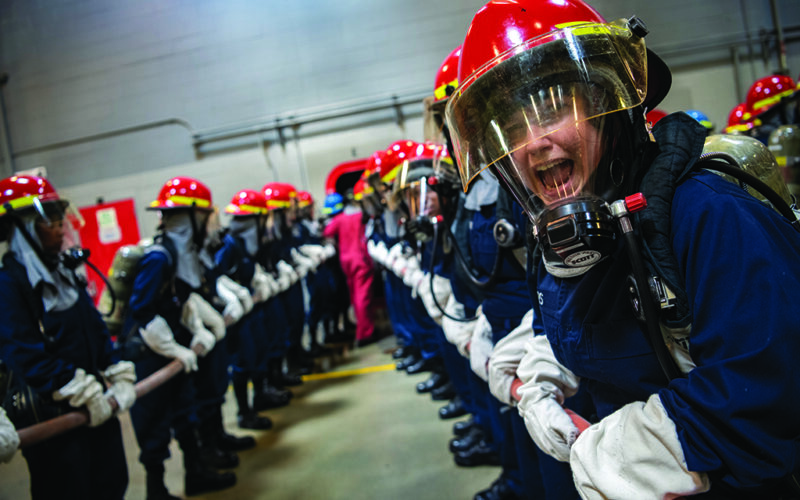
At a time when older fire suppression agents are facing environmental scrutiny and new vessel technologies are creating new fire hazards, the U.S. Coast Guard is trying to keep pace. In May, the USCG proposed updates to its approval standards for marine foam fire-extinguishing systems, arguing that decades-old requirements should be revised to reflect technological advances and current industry practices.…
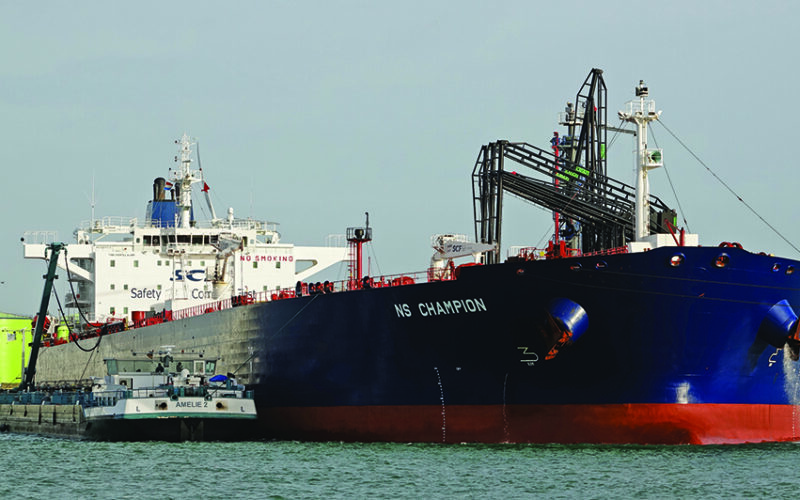
As geopolitical tensions and sanctions enforcement have intensified in recent years, so has scrutiny of the so-called “dark fleet” — vessels that conceal or manipulate their movements through AIS shutoffs, spoofing and other tactics intended to obscure the origin, destination or ownership of cargoes. Tracking those vessels remains a challenge for regulators, insurers and maritime security analysts. Researchers say advances…
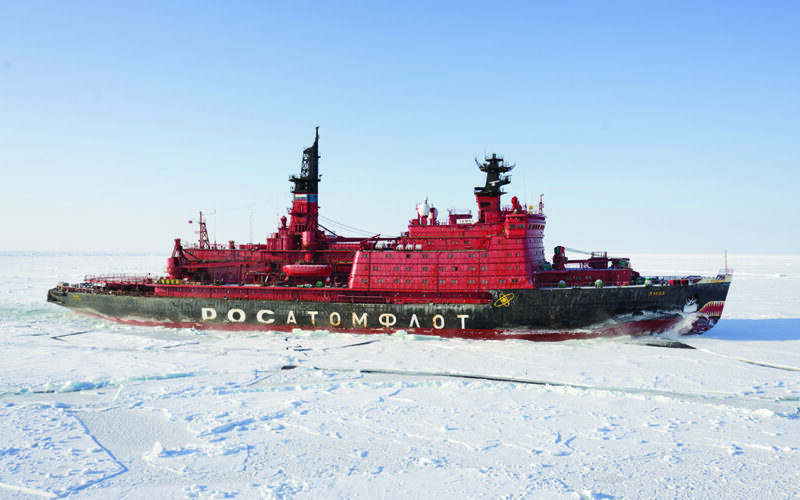
In May, the Department of Transportation took the first step in crafting a new federal regulatory framework that would advance commercially viable small modular reactors for maritime use. The effort reflects a growing recognition that the biggest barriers to nuclear-powered commercial vessels may no longer be technological. Instead, regulators are increasingly focused on the legal, operational and workforce frameworks needed…