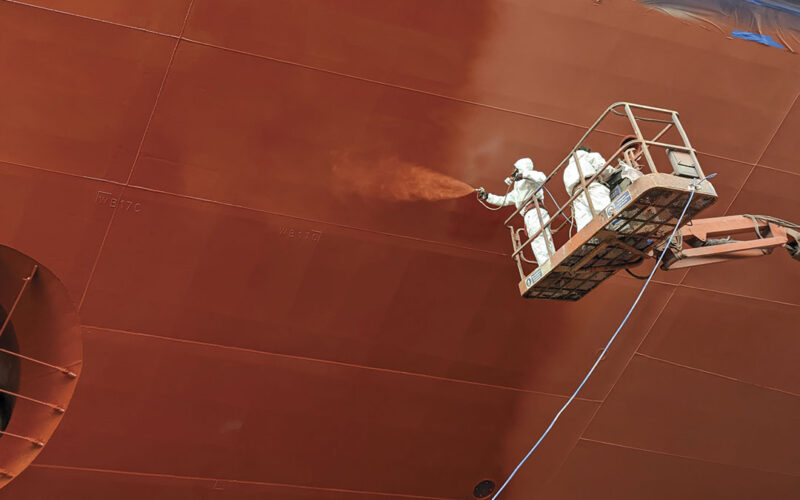
The latest data from the U.S. Maritime Administration accounts for 154 active, private shipyards and another 300 private shipyards “conducting repair or other shipbuilding or repair services” in 29 states and the U.S. Virgin Islands. Those facilities, as of 2023, have 105,652 workers on their payrolls with employment in shipbuilding sector “increasing steadily over the past five years,” according to…
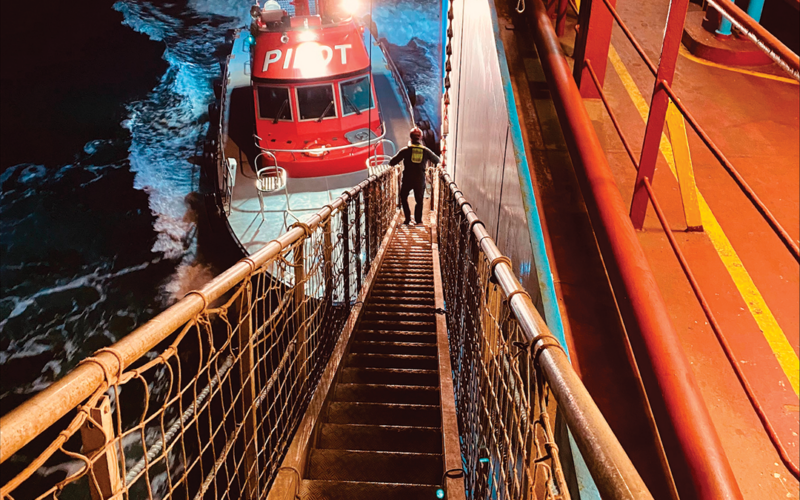
Every day, professional mariners may work with pilots, but many may not know the level of expertise that goes into their 24/7 work of safely guiding vessels of all sizes and types in and out of the nation’s ports in often hazardous conditions. Their’s is a unique role that requires an incredible depth of knowledge of both the local waterways…
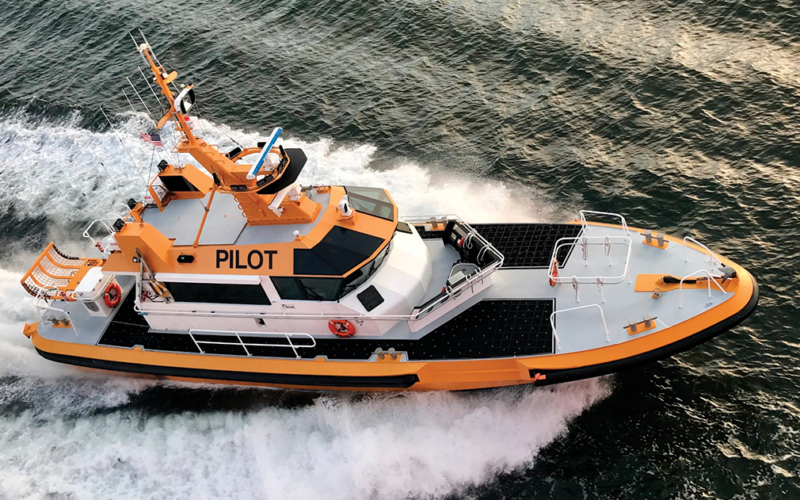
Pilots and the highly specialized boats they depend on have occupied a unique position in the maritime sector since the days of sail. Motorized pilot boats, introduced around 1900, relied on traditional displacement hulls with a top speed of around 10 knots and remained in service into the late 1990’s on the West Coast. They were finally replaced by the…
America’s inland waterways continue to wrestle with challenges, but the long-term future looks bright as a chorus of business, environmental, and government voices increasingly sing the praises of those who confront the hazards of inland navigation. Most notably, of course, frustratingly chronic drought conditions that showcase the limits of human systems designed to sustain navigation – particularly navigation on…
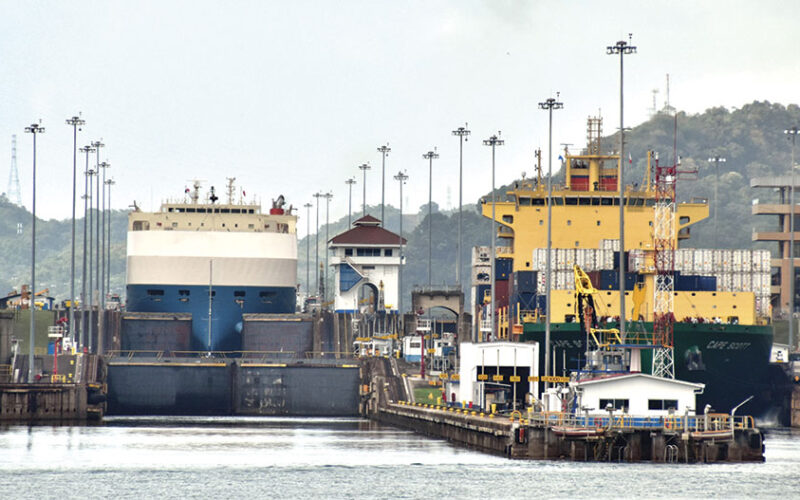
Last summer, reacting to a severe drought that was dramatically reducing its water levels, the Panama Canal Authority (PCA) placed impactful restrictions on the number, and capacity, of vessels routed through the Canal’s locks. The resulting delays of up to three weeks for ships without reservations and record prices at auctions of last-minute slots compelled some shippers impose surcharges to…
The International Convention for the Safety of Life at Sea (SOLAS) Chapter V, Regulation 19 lays out the mandatory rules that establish the requirements for shipboard navigation systems and equipment. The rules are specific and form a critical baseline for safe navigation and is one of the primary factors driving the advances in the development of the latest in navigational…
As the offshore wind industry begins to blossom in the U.S., companies are eager to be part of the action even though questions still linger about the viability of meeting the federal government’s ambitious green energy goals. The “single most important factor” to future development of the technology is government support, according to the Global Wind Energy Council. The Biden-Harris…
The race to reach a decarbonized, “net zero” maritime industry by 2050 is, in some ways, similar to the advent of containerships some 70-plus years ago. In the 1960s and 1970s, freight carriers, terminal operators, shoreside labor, engineers, and other interested parties tried out different container sizes, construction materials, and configurations before the familiar 40-foot and 20-foot steel container became…
No matter the flag, language, or sea conditions, the work of a professional mariner is universal and somewhat standardized in terms of experience from the deck to the bridge to the engine room. But aboard the National Oceanic and Atmospheric Administration’s research vessels, a mariner can be assured of participating in a variety of missions, all carried out in the…
Anything can happen on the water and for commercial maritime vessels safety is a top priority, so it pays to be prepared. Technology has worked its way into other aspects of the maritime industry – autonomous navigation or digitalized fleet planning, for example – but it can also improve ship safety through modernized equipment and up-to-date training for mariners.…